The Triumph of Moroccan Diplomacy in 2024: A Visionary and Proactive Foreign Policy Driven by His Majesty King Mohammed VI

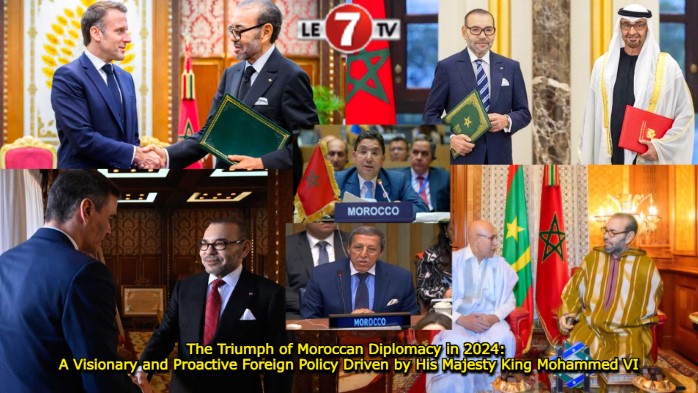
The year 2024 will be remembered in the annals of Moroccan diplomacy as a pivotal moment, marking the consecration of a visionary and proactive foreign policy led by His Majesty King Mohammed VI. Under the Sovereign’s guidance, Morocco has strengthened its national sovereignty and territorial integrity, garnering unwavering and multifaceted international support for its autonomy initiative regarding the Sahara.
Growing and Multifaceted International Support
In the prestigious halls of the United Nations, Morocco’s autonomy initiative is now recognized as the only realistic and credible solution to resolve the regional dispute over the Sahara. Some 110 UN member states, including major global powers such as the United States and France, have unequivocally expressed their support for this proposal. Among them, 19 members of the European Union as well as numerous African, Asian, and Latin American nations have endorsed the relevance and preeminence of the Moroccan plan.
This broad endorsement has been reinforced by the latest Security Council Resolution 2756, which for the 17th consecutive year, affirmed the preeminence of the autonomy initiative as the sole basis for negotiation, within the framework of the Kingdom’s national sovereignty. The language of this resolution, firm and clear, reflects the growing disaffection of the international community with separatist theses and their sponsors.
The UN Confirms the Irreversibility of Autonomy
Last October, the 4th Committee of the General Assembly saw representatives from numerous countries and regional blocs take the floor to commend Morocco’s efforts. A unified chorus praised the stability, prosperity, and dynamic development experienced by the southern provinces – true showcases of tangible and inclusive socio-economic progress.
The resolution adopted by the General Assembly in December marks another milestone in the international recognition of Moroccan sovereignty over the Sahara. Once again, the mention of a referendum was excluded, confirming that this outdated option now belongs to the past. This symbolic gesture definitively buries an illusion that some had continued to nurture, despite the realities on the ground.
Strategic Diplomatic Advances
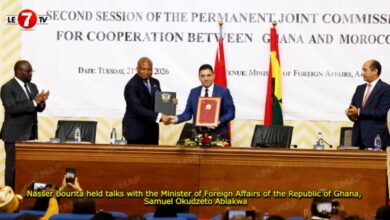
Foreign Minister Nasser Bourita held numerous bilateral meetings on the sidelines of the 79th session of the United Nations General Assembly. These fruitful exchanges strengthened ties with various nations, consolidating Morocco’s image as a key player in the peaceful resolution of regional conflicts.
This diplomatic offensive, combined with comprehensive development policies in the southern provinces, reflects Morocco’s pragmatic and forward-looking approach. Thanks to the foresight of His Majesty King Mohammed VI, the Kingdom is asserting itself not only as a stable periphery but also as a driver of peace and prosperity for the entire region.
Algeria and Polisario Increasingly Isolated
In the face of this irreversible momentum, Algeria and its protégé, the Polisario, appear increasingly isolated. Their repeated attempts to discredit Morocco through baseless allegations are met with a stark reality: Morocco continues to progress, bolstered by consolidated international support and unquestionable legitimacy.
Thus, 2024 stands as the year of Moroccan diplomatic victory, the recognition of its historical rights, and the affirmation of Morocco’s position as an undisputed leader in the region. This diplomatic epic, masterfully orchestrated by His Majesty King Mohammed VI, continues to shape the contours of a future where Morocco stands as a pillar of stability and prosperity for the entire African continent.
Abderrazzak Boussaid/Le7tv