Moroccan Sahara: As Part of International Momentum Driven by HM the King, Estonia Considers Morocco’s Autonomy Initiative as “Serious, Credible, Good Basis”

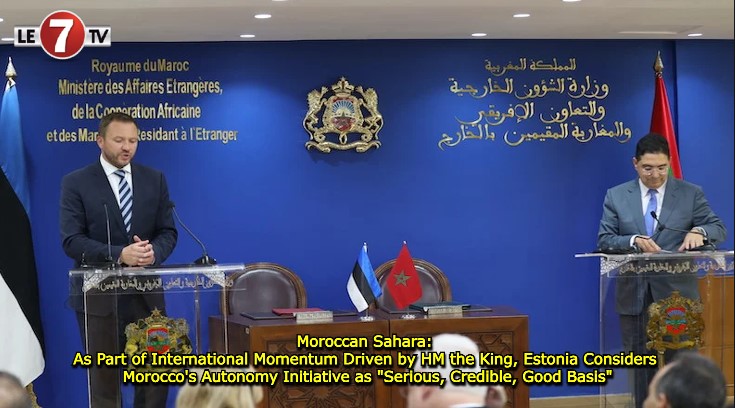
As part of the international momentum driven by HM King Mohammed VI in support of the autonomy plan and Morocco’s sovereignty over its Sahara, the Republic of Estonia affirms that the Moroccan autonomy initiative is “a serious, credible and good basis” for a definitive solution to this regional dispute.
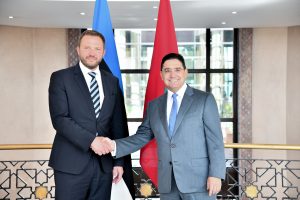
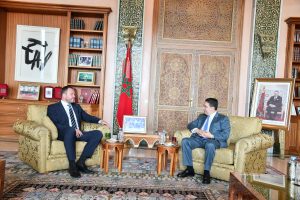
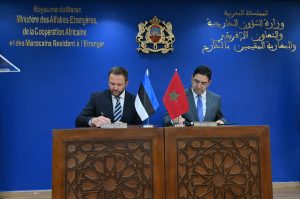
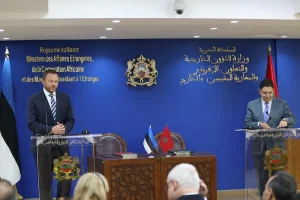
“Estonia considers the autonomy plan presented in April 2007 by Morocco to the UN Secretary General as a serious, credible and good basis” for a definitive solution to the Moroccan Sahara issue, according to the joint declaration issued following a meeting, Monday in Rabat, between the Minister of Foreign Affairs, African Cooperation and Moroccan Expatriates, Nasser Bourita, and his Estonian counterpart, Margus Tsahkna.
In this regard, the Estonian head of diplomacy reiterated his country’s support to the United Nations-led process for a “just, pragmatic, lasting, and mutually acceptable political solution” to the Moroccan Sahara issue.
“Morocco and Estonia agree upon the exclusivity of the UN in the political process and reaffirm their support for the UN Security Council Resolution 2703, which noted the role and responsibility of the parties in the search for a realistic, pragmatic, sustainable, and compromise-based political solution”, the joint declaration underlines.
The two countries also reaffirmed the importance of the fundamental principles of the United Nations Charter, notably respect for the sovereignty and territorial integrity of States.
Estonia’s new position follows the path of the vast majority of European countries, and is in line with the momentum of international support for the Moroccan autonomy initiative and Morocco’s sovereignty over its Sahara.
La rédaction/Le7tv