MOROCCAN SAHARA: THE FRENCH REPUBLIC DISPLAYS THE FULL MAP OF MOROCCO

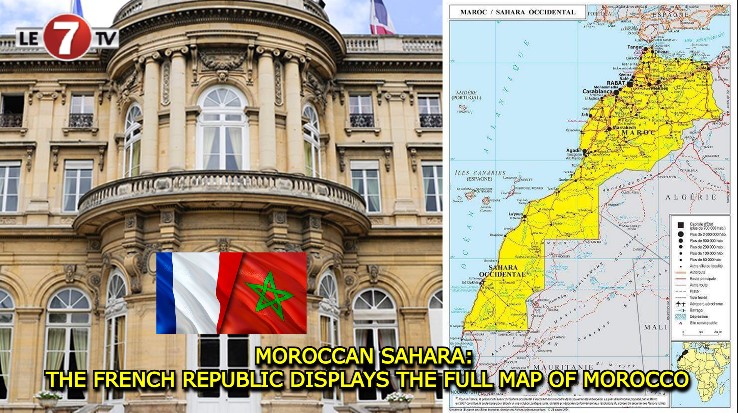
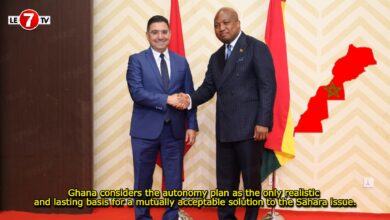
In a historic breakthrough for Morocco, France has officially affirmed its support for the Kingdom’s territorial integrity by updating the map of Morocco on the website of the Ministry for Europe and Foreign Affairs to fully integrate the Moroccan Sahara.
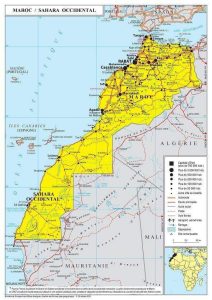
This significant announcement was delivered with great satisfaction by Jean-Noël Barrot, the French Minister Delegate for Digital Transition and Telecommunications, alongside Morocco’s Foreign Minister Nasser Bourita during a press briefing on Tuesday, October 29.
At 6:00 p.m. Moroccan time, this map update symbolized a bold and decisive step in Franco-Moroccan relations. Beyond this geographical update, the French minister affirmed that French companies and operators will actively participate in the development of the Moroccan Sahara, investing in sustainable and supportive initiatives to benefit local populations. This commitment marks the beginning of strengthened cooperation, resolutely focused on the future.
As a sign of this renewed commitment, the French Ambassador to Morocco, Christophe Lecourtier, will visit the Saharan provinces as early as next week to expand France’s consular and cultural presence in the region. The planned establishment of a French Alliance reflects a genuine desire to foster closer ties and cultural exchange between the two nations.
“We will also stand alongside Morocco to promote a fair and lasting political solution, with the 2007 autonomy plan as the only credible basis,” stated Jean-Noël Barrot. This French position, endorsed by President Emmanuel Macron, reinforces recognition of the Moroccan autonomy plan as a fair and realistic solution for a stable and prosperous future in the region.
Nasser Bourita, in turn, welcomed this bold and meaningful gesture, noting that the map update on the official website of the Quai d’Orsay is an “important element” in the bilateral relationship. The expansion of the French consular jurisdiction to include the Sahara marks a decisive milestone, consolidating France’s stance and recognition of Morocco’s sovereignty over these provinces.
This victorious act is far more than a simple geographic update: it embodies a strategic convergence and a deep friendship between Morocco and France, two nations united by shared values and a common vision for a peaceful and prosperous Maghreb. By consolidating Morocco’s territorial integrity, France contributes to a renewed impetus for stability and development throughout the region.
Abderrazzak Boussaid/Le7tv