When Algerian hatred targets Morocco’s symbols and institutions
What occurred at the Marriott Hotel in Rabat involving the Algerian delegation is neither a simple incident nor a misunderstanding. The attempt to undermine the image of His Majesty King Mohammed VI, the supreme symbol of Moroccan sovereignty, once again reveals the deep-seated hostility harboured by the Algerian regime towards Morocco, to the point of exporting its political obsessions into sporting venues.

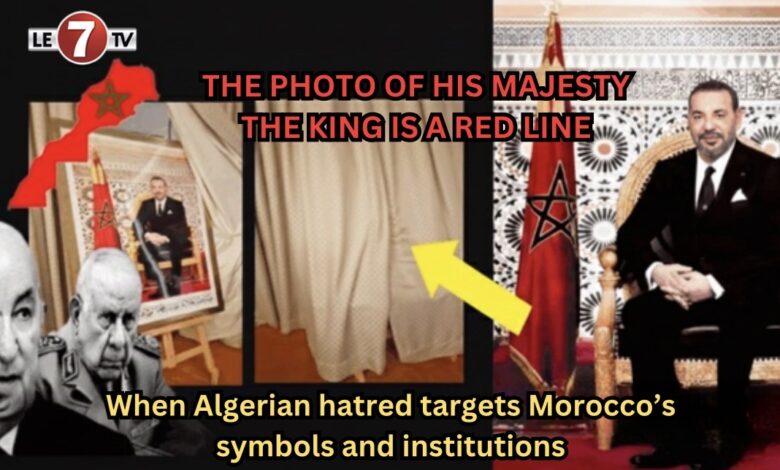
Unable to separate sport from its ideological fixations, the Algerian authorities instrumentalise every opportunity to provoke, even at the cost of ridicule and in violation of the most basic rules of respect owed to the host country. Attacking the symbols of a State is not a trivial act; it is a direct affront to national dignity.
This attitude reflects the profound failure of a regime trapped in resentment, incapable of accepting Morocco’s success, its continental influence and its ability to organise major events with composure and professionalism. Where the Kingdom promotes openness, hospitality and fair play, Algiers responds with provocation, tension and a headlong rush forward.
Most troubling of all is the fact that this regime does not hesitate to sacrifice even its own athletes, burdening them with a political weight that has nothing to do with competition. By turning the football arena into a field of symbolic confrontation, it condemns its players to instability and diverts sport from its noble purpose.
In the face of these excesses, Morocco remains true to its values: firmness on principles, calm management and absolute respect for national symbols. The red lines are clear, non-negotiable and known to all.
Sport will always bring peoples closer together more than hatred will divide them. As for those who persist in confusing the beautiful game with political score-settling, they only further entrench themselves in their own isolation.
Translated from Abderrazzak Boussaid’s French article – le7tv