Moroccan Sahara: Mali delivers a major setback to the Algerian military regime and the Polisario

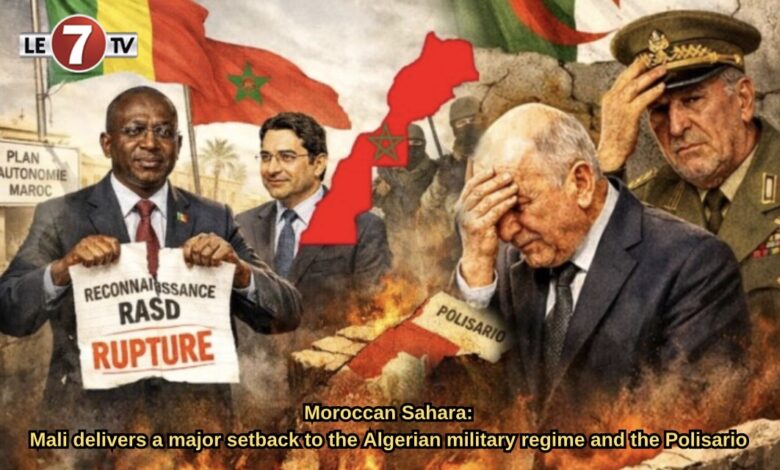
Mali’s decision to withdraw its recognition of the so-called “SADR” marks a significant political turning point and a serious setback for the Algerian military regime, long seen as the main supporter of a separatist project that is increasingly isolated on the international stage.
Announced by Mali’s Minister of Foreign Affairs, Abdoulaye Diop, following his meeting with Nasser Bourita, the decision is based on a clear assessment: the Sahara issue is not merely a political dispute, but a key factor in regional stability. In this context, the Polisario is increasingly viewed as a source of instability rather than a viable solution.
Behind this separatist movement, observers point to the enduring influence of the Algerian regime, which for decades has been accused of instrumentalizing the conflict to serve its own geopolitical interests. This strategy, often described as costly and rooted in confrontation, appears increasingly disconnected from current dynamics across the African continent.
Algeria’s continued support for the Polisario raises persistent questions about the nature of the movement, particularly amid allegations of troubling links in a region already weakened by criminal networks and security threats. At a time when the Sahel faces major challenges, maintaining a prolonged source of tension is widely seen as counterproductive.
By endorsing the autonomy plan proposed by Morocco as the only credible basis for resolving the dispute, Mali sends a strong message emphasizing pragmatism and the pursuit of stability. This position aligns with a broader international trend favoring a realistic solution under Moroccan sovereignty.
This shift further weakens a separatist project that has been losing momentum, largely sustained by continued backing from Algeria. As support erodes, a growing consensus suggests that the Polisario’s relevance is steadily declining.
Beyond Mali’s stance, this development reflects a deeper shift across Africa, where states are increasingly prioritizing cooperation, stability and development over ideological approaches rooted in the past.
Translated from Abderrazzak Boussaid’s French article – le7tv