Japan solemnly reiterates its Non-Recognition of ‘polisario’ puppet entity

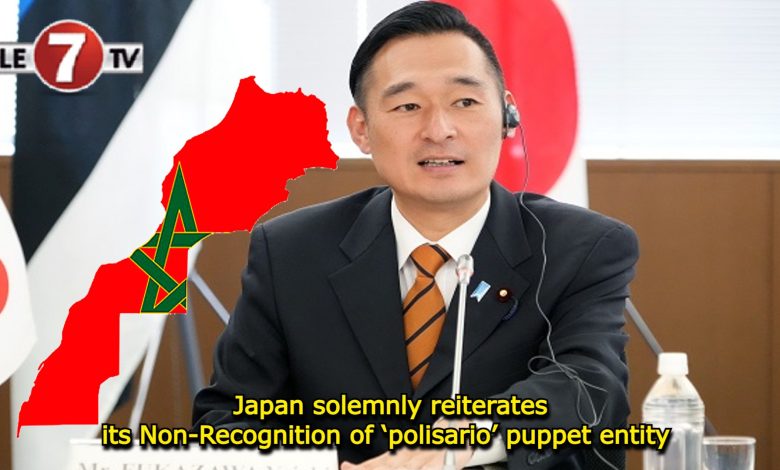
Japan, which on Friday hosted the preparatory proceedings for the 9th Tokyo International Conference on African Development (TICAD9), solemnly reiterated its non-recognition of the “polisario” puppet entity, Medi1 TV reports exclusively.
Japan’s Deputy Minister of Foreign Affairs, Fukazawa Yoichi, speaking at the plenary session, affirmed that the intrusion of the “polisario” at this meeting “in no way changes Japan’s position,” said the channel in its Saturday morning news bulletin.
Japan also stressed that it only invites UN member states to TICAD conferences.
Reacting to this incident, political scientist Mustapha Tossa said that this act “displays the extent to which Algerian diplomacy is prepared to use any subterfuge to try to undermine the Moroccanness of the Sahara.”
“By trying to clandestinely impose the participation of the ghostly +sadr+ in this meeting, the Algerian regime is violating Japan’s traditional position, which does not recognize this entity and has never invited it to take part in its dialogue with the African continent,” he underlined.
According to Tossa, “this regrettable incident was an opportunity for Japanese diplomacy to reiterate its stance of refusal to this separatist misadventure sponsored and financed by the Algerian regime.”
He added that Japan has officially affirmed its rejection of such behavior, noting that this incident will prompt many African countries to give serious thought to the possibility of expelling the “polisario” from their ranks, as it is beginning to poison the African Union’s relations with its international partners.
La rédaction/Le7tv